
Discover the truth about common dental myths in Nepal. Learn why tooth loss isn’t inevitable, and how proper oral care keeps your smile strong.
When it comes to dental myths in Nepal, few things are as misleading as the idea that teeth simply fall out with age, but that is not the case. Teeth can last a lifetime if cared for. Indeed, tooth loss, according to dentists, is more probable from decay or gum disease than from age. Bacteria enjoy feasting on sugars and will exact a price on teeth if permitted, so twice-daily brushing, flossing, and a visit to the dentist now and then keep that smile on your face just fine. As one American dental guide puts it simply and bluntly: “Teeth can last a lifetime if you take good care of them!” Put simply, age doesn’t have to get the better of your teeth, lack of care and whatever you put into them can.
Dental Myths in Nepal #1: Teeth Fall Out with Age
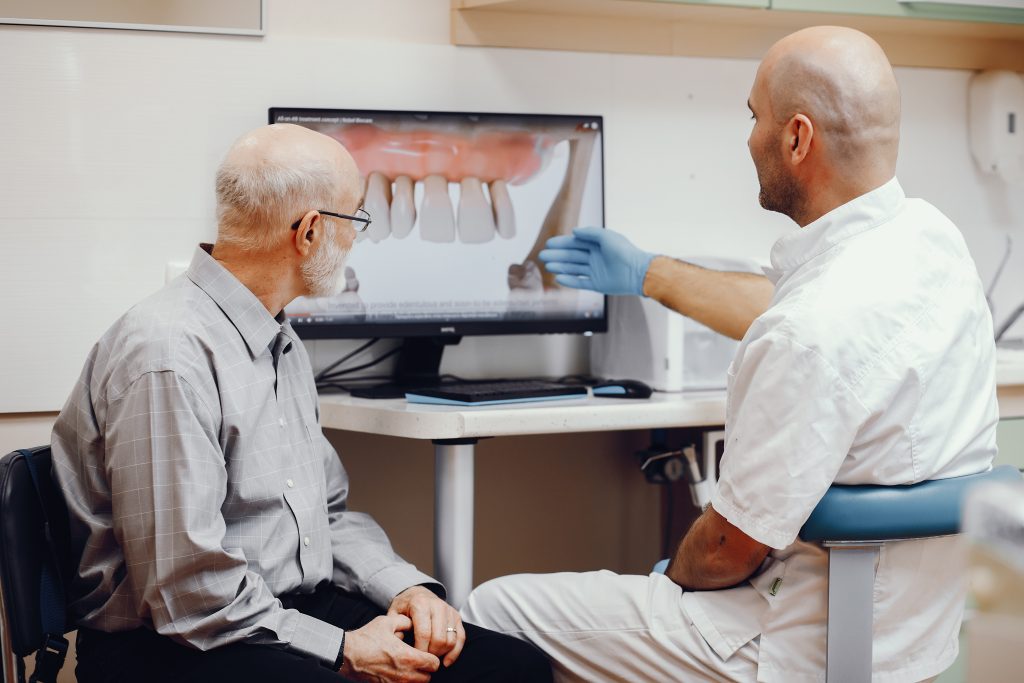
This is a myth. Mature individuals frequently have gaps between their teeth, but that is usually due simply to the fact that they didn’t take care of cavities and gum disease, not their age. Good oral care and regular care have a tremendous impact. For example, one of the blogs by an American dentist has said that even though tooth loss becomes more likely as a person gets older, it is “not inevitable.” We can prevent tooth loss by brushing, by flossing, and by visiting the dentist periodically. A good diet (less sugar, more calcium/vitamin D) keeps teeth healthy too. Keep it in mind: healthy practice, not age, has the ability to decide if you have teeth that remain. Even teeth which have experienced root canal therapy can remain many years if well maintained.
Dental Myths in Nepal #2: New Mothers Shouldn’t Brush
In Nepal (as well as many societies), new moms have the tradition of avoiding some activities after delivery. Some families even advise new moms not to brush their teeth for days or weeks after delivery. They fear that brushing will “loosen” teeth or be bad for the baby. But health professionals strongly disagree. A recent analysis of studies discovered that whilst some women believe that they should avoid brushing during and after pregnancy, medical advice does just the opposite. Actually, the American Dental Association and dentists recommend regular oral care throughout pregnancy and after childbirth. Mild tooth brushing using fluoride toothpaste is safe; it won’t damage the baby or damage teeth. (After all, if you just threw up, pre-rinse with water, but don’t forget to brush it all off.) Good oral hygiene benefits both baby and mom: it prevents cavities and gum disease and also reduces bacteria in breast milk. Bottom line, have that toothbrush handy for babies, and smiles will gleam from it.
Dental Myths in Nepal #3: Tooth Extraction Causes Blindness
This myth is curiously common. In a survey, 58% Nepalis thought that removal of upper teeth might harm the eyes. A different study discovered that roughly half of individuals believed that extractions lead to deafness. However, there is no medical reason for that fear. Your eyes and ears nerves and blood supply do not attach to their teeth. Occasionally, dental operations may lead to very short-lived blurriness due to anesthesia (impacting nearby nerves), but unavoidable blindness or deafness because of a routine extraction does not occur. A family medicine review asserts that issues with the eye after the extraction of teeth are “extremely rare complications” of regional methods of anesthesia, not extraction itself. It is the practice of modern dentists to exercise safe methods of prevention of issues like these. Incidentally, an ignored tooth infection is a greater risk: it will infect the jaw/bloodstream. If a tooth is seriously rotting or in pain, it is thus better that it be treated/removed by a competent dentist than care be avoided out of fear. Don’t be deterred by that myth having a bad tooth could lead to serious issues, not pulling it.
What you can do:
Keep seeing your dentist every few months to get checked up and cleaned. Should a tooth need to be filled or removed, do as the dentist advises. Keep in mind, doing nothing about tooth infections can result in great pain, not to mention extractions. Righting these falsehoods and minding the facts, proper brushing, dental flossing, healthy diet, regular dental care ensure your grin is secure at any age.
In short, teeth can endure long periods of time with proper care and knowledge. Don’t heed old-fashioned thoughts when scientific answers come along courtesy of modern dentistry. Consult your dentist if you have concerns. He can show you the proper way to care for your teeth and the optimum treatment to make your family’s teeth hardy and healthy. Establish your smile on facts, not on misinformation, and get others to do the same!